Choosing an engineering school is a decision that will impact your 4-5 years of school and the rest of your career.
Many students search for the "best" engineering school to attend each year, but only a small fraction actually understands what "best" means for them. And that’s where most mistakes begin.
If you get this decision wrong, it’s not just about a college it impacts your skills, confidence, and opportunities.
Let’s break down the most common mistakes students make (and how you can avoid them).
1. Following the Crowd Instead of Your Interest
This is probably the most common mistake.
Students have often made their decision based on:
→ Friends going into Engineering
→ Parents suggesting that Engineering is a "good field" in which to go
→ Society's view that Engineering is the "safer profession"
The reality is that pursuing Engineering should not be viewed as the default choice but rather a commitment.
What you should do:
Spend some time determining what YOUR passions are. Your interests may include coding, designing, working with electronics, or processing data, etc.
Regardless of what your interests are, it is important to have a clear understanding of your interests so that you do not follow any trends.
2. Choosing A Branch Without Understanding
"Go for Computer Science, there's a ton of jobs out there."
or
"Stay away from Mechanical, that is a tough program."
Does this sound like something you have heard?
Students often choose their engineering branch based on popularity, cutoff mark ranges or whatever other people tell them.
But when they actually get into the program like B.Tech, many find themselves disappointed that they don't like what they are studying because they didn't choose the right branch for them.
If you are going to choose a branch you need to do your research on:
1. The subjects that will be taught in the program
2. The real-world application of those subjects
3. The careers available to those who study those subjects
Doing some research now can save you tears of regret later.
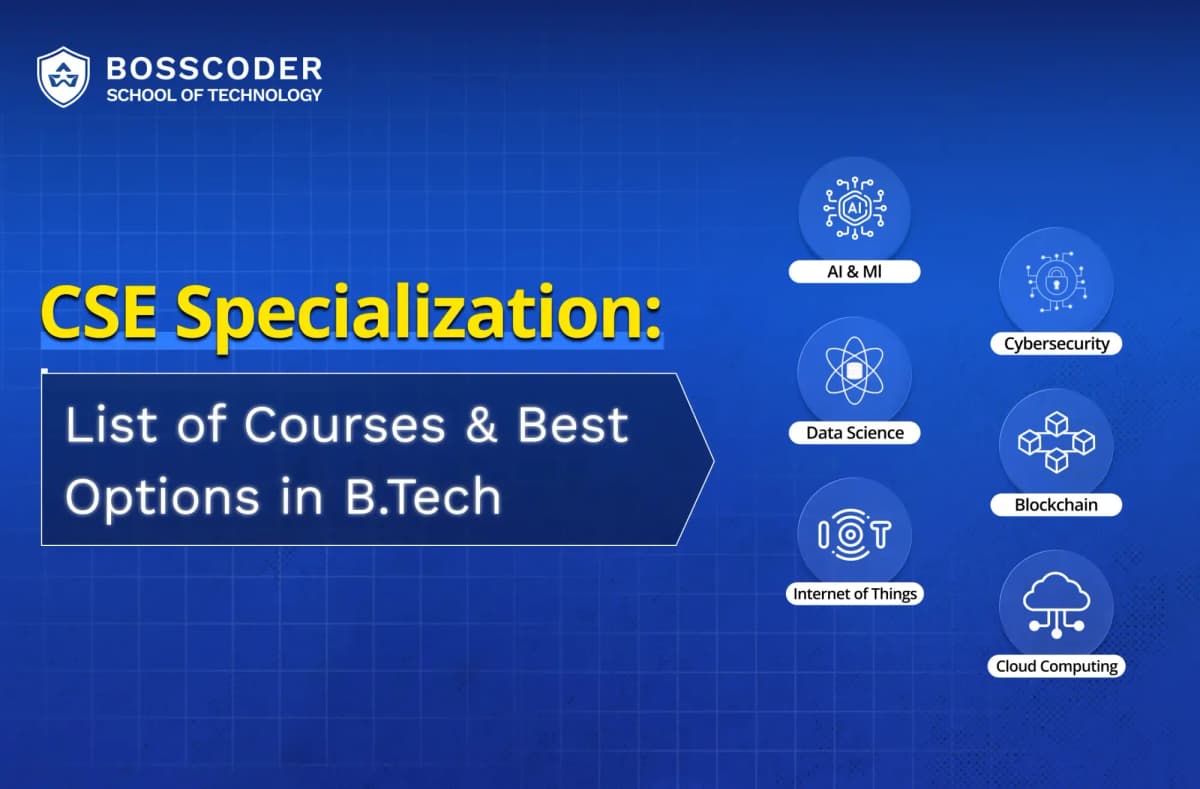
Before finalizing your decision, it helps to explore different CSE specializations and career options in a simple way. A little clarity now can help you choose a branch you’ll actually enjoy studying for the next 4 years.
3. Choosing A College Based Only On Name Or Ranking
Big college does not mean the school is the right place for you.
Many students think that going to a popular college guarantees them a successful future. However, the most important factors when evaluating whether a college is right for you are:
1. How good are the faculty members?
2. How much practical learning does a student do?
3. Does the college provide an environment for learning?
As seen in similar discussions around engineering choices , ignoring these factors often leads to dissatisfaction later.
If you are going to trust a college ranking, you need to do some research on how the school teaches students and how the school supports students on their road to success.
4. Ignoring Real Experience, Skills, & Internships
Marks alone do not guarantee that you’ll be selected for hiring anymore.
Most tech companies avoid using just your credentials and academic courses but instead they’re looking for:
→ Skillset
→ Projects
→ Ability to solve problems
However, the majority of traditional colleges still excel only in the theoretical/academic aspect.
Here’s what you need to do, investigate colleges that offer:
→ Internship opportunities
→ Project support
→ Real-world exposure
This is where the differentiation between the average student and the top student occurs.

5. Not Understanding Placement Support Process Thoroughly
Too many students believe that they are guaranteed to find work in the field.
In other words, students think that they will be placed into a job without doing anything else.
The placement process is dependent upon:
→ Training
→ Guidance
→ Preparation environment
Every single aspect counts, e.g., resume writing and mock interviewing.
Here’s what you should do:
→ What is the placement process?
→ How are students provided training?
→ What types of companies visit regularly?
By receiving clarity on these issues you will make an informed decision.
6. Ignoring the Learning Environment
This is something students realize too late.
A college education is not only about what happens inside the classrooms; It is about your environment outside of the classroom on a daily basis as well.
Some of the relevant factors:
→ Your peer group
→ The culture of your campus
→ Supportive peers and/or faculty/staff
According to the same research done in the field of engineering, a supportive environment will enhance student development and confidence.
What to do:
→ Talk to seniors
→ visit the campus (if possible)
→ Develop an understanding of the student culture
7. Thinking Only About Cost (Short-Term)
Yes, budget is a factor. But, choosing a college because it is less expensive could present problems.
In general, students experience less exposure to real-world situations when they attend college with lower cost/tuition.
Low fees + poor exposure = higher long-term cost.
What to do, think in terms of:
→ Return on Investment (ROI)
→ Opportunities to gain valuable work experience during the time you attend college
→ Career options available to you after graduation
You should view your education as an investment in your future rather than an expense.
8. Not Asking the Right Questions
Many students just go along with what they are told during the admissions process.
However, the right questions could make a difference in the way you will be successful with your degree.
Examples include:
→ What projects will I work on?
→ What kind of assistance can I expect to gain skills for career opportunities?
→ What separates your college from others?
What to do:
Be curious about everything and, as you continue to ask questions, the more clarity you gain.
Where Most Students Go Wrong (And How to Do Better)
If you take a close look at all the mistakes listed above (or any of the mistakes we talked about above), they all come down to 1 thing:
Lack of Clarity
When students make their decisions or choices related to college, they will rely on either:
→ Follow the trends/hype
→ Rely on other people
→ Rush to make a decision
But instead of this approach, being smart is easy. The smarter approach would be:
→ Research, ask questions
→ Focus on growth over a longer-term
A Better Approach: Learning Beyond Just College
Today, just choosing a college is not enough, there is also a need for:
→ Structures for Learning
→ Skills Relevant to Industry
→ Mentorship
This is exactly where modern colleges like Bosscoder School of Technology come into the picture.
Instead of relying only on college curriculum, they focus on:
→ Learning advanced DSA & System Design
→ Building real world projects,
→ Preparing for jobs at top tech companies.
Through this they fill a gap between college education and industry expectations.
Final Thoughts
Choosing an engineering school is not about just:
- Reputation.
- Peer pressure
- Random People Giving You Advice.
It's about:
- The Environment.
- Developing Your Skills.
- Your Growth Over Time.
Make sure you don't make mistakes like these, take your time and make a decision that aligns with your goals.
Remember, the right decision at the end of the day will create your future, not just give you a degree.
Frequently Asked Questions (FAQs)
Q1. How do I choose the right engineering college?
Choose a college based on faculty, practical learning, placements, and industry exposure not just rankings or popularity. Also, check if it supports skill development and real-world projects.
Q2. Which engineering branch is best for the future?
There is no “best” branch for everyone. The right branch depends on your interest and career goals. Fields like CSE with AI & Data Science are growing, but choosing based on interest leads to greater long-term success.
Q3. Do college placements really matter?
Yes, placement systems are important, an effective placement system will provide you with assistance in finding a job after graduation. However, an effective placement system will also include training and support to help you transition smoothly into your career
Q4. Is college enough to get a good engineering job?
No, college alone is usually not enough. You also need skills, projects, and interview preparation. Many students now learn beyond college through modern colleges like Bosscoder School of Technology to become industry-ready.